From the day before I went on holiday this summer, I didn’t want to watch the news. I had the firm resolve to disconnect from any source of stress and disquiet, and therefore it was in a taxi, as I arrived in Paris on the 7th of July, where I found out, thanks to the driver, that Boris Johnson—the unmentionable, abominable, despicable buffoon that passes himself off as Prime Minister—was, at long last, leaving. As I watched the city through the window on my way to the place where I’d sleep that night, I thought that it was magnificent news, but also that the unedifying brawl among his possible successors over the job didn’t promise at all a clear or immediate liberation from the last three years of ignominy. I wasn’t going to ruin my holidays sullying my perception of the world with such distractions, and therefore, for thirteen days I lived as if worms did not exist, happy to realize that it’s perfectly possible… at least for a short while.
It wasn’t difficult, on my return, to follow the thread of events, confirm that, of late, everything’s farce and carnival in the UK’s politics, and here I am now, trying to organise my thoughts, and to brace myself for what’s coming, which isn’t hopeful in any way.
That Johnson’s downfall ended up being a sexual scandal (MP Chris Pincher groped two males in a gentlemen’s private club; Johnson had knowledge of other accusations of sexual harassment, which he’d ignored, and Pincher had been appointed Minister of State for Europe and Chief Whip in the House of Commons during his administration) is quite astonishing, not for lack of pertinence in the outraged voices raised against him, but for not having happened before, despite the countless reasons why Johnson’s presence as Prime Minister has been catastrophic, immoral and indefensible, even crossing the threshold of legality. The protests and indignation should have broken out the very day he took up the post, in July 2019.
Back then I had already spoken in these virtual pages, in a piece titled “The Beast”, about how abhorrent it was to have Boris Johnson as Prime Minister. I won’t repeat myself here; all I will say is that the collapse of political life in the United Kingdom, as well as the disappearance of the last vestiges of human decency in the post that many of us forecasted, were fulfilled in excess.
In the opening words of this video, Journalist Peter Orbone summarises the dimensions of the sewer in which we’ve been immersed: “Boris Johnson is the most venal, the biggest liar, the most immoral and the most incompetent Prime Minister in all British history.”
But we knew all that, and, even more important, the Conservative Party that led him to the post knew it too, as Jonathan Pie reminds us with insuperable eloquence, and with the despair that we all share, in his sketch following Johnson’s resignation.
After a cascade of more than 60 resignations, either of MPs of the Conservative Party or cabinet ministers (one every 15 minutes on the debacle’s most critical day), votes of no-confidence and sackings; after the deafening message from the immense majority of the British people that we want him to get lost, even the night before Johnson was defiantly declaring that, if his party wanted to “overthrow the elected will of the people”, they’d have to “dip their hands in blood”. God only knows what images he pretended to conjure up with this last tantrum and bragging. In the best Trump style, his initial response was a deranged “I won’t leave”… until even he had to accept the reality: he was being kicked out.
However, both in his resignation speech on that 7th of July and in his last appearance at Prime Minister’s Questions Boris Johnson regaled us with an altered version of reality, with a triumphalist rhetoric that describes a very different country from the one flinging over a cliff in front of his eyes. “Mission largely accomplished”, he said during PMQs, and, to remind us that there is absolutely nothing in this world that this man takes seriously, he concluded with an “Hasta la vista… baby”, to the ovation of those loyal lackeys still left in his party. Like Trump again, it is likely that in his delirium Johnson is dreaming of going back to Downing Street in the future.
It is hard to know who bears the biggest shame: those lackeys who keep on adulating him and celebrating his jokes, or all the Conservative Party members and cabinet ministers who suddenly resigned in horror last July, as if they hadn’t been not only witnesses but accomplices of Johnson’s ignominy from the very start of his career in public life, and as if they hadn’t supported him up to yesterday. A large proportion of UK citizens has lived all these years without understanding what such a scoundrel and charlatan is doing in government, without these individuals who are now beating their breasts even noticing.
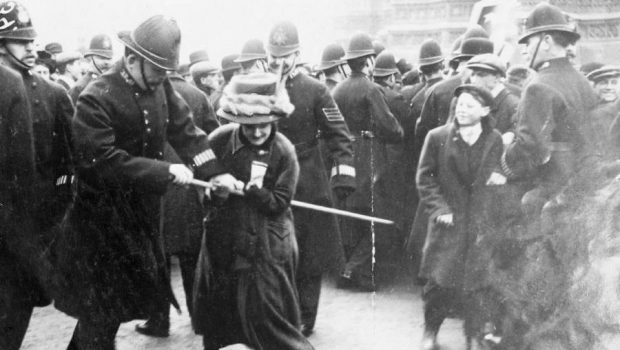
The scandals are infinite. We hear, for instance, of how Johnson wanted to give his then lover, now wife, a £100.000 a year sinecure when he was Foreign Secretary; of how he’s tried to fund luxury holidays using money donated to his party by millionaire buddies; the nepotism and corruption that involved millions of pounds that went to friends of Johnson’s and other members of his cabinet, as well as Party donors, through contracts without competition awarded to the Randox laboratories and PPE suppliers at the beginning of the Covid emergency are well known by all. Johnson was quick to grant those contracts, but did not deign to attend five of the emergency Cobra meetings when the pandemic started. His irresponsibility in his handling of the pandemic then cost many lives, and there are, of course, the parties attended by him and members of his cabinet, breaking the law, when the rest of the country was complying with the harsh reality of lockdown, which were a slap in the face of the whole nation, including a National Health Service already on its knees, and all those who just then were losing loved ones without being able to be near them. Before that, Johnson had already lied to the Queen in regard to his initiative to suspend Parliament for five weeks during the constitutional crisis around Brexit. His government’s abject legacy includes the bribing of a great deal of the national press, in the hands of a handful of millionaires, and, as James Butler rightly states at the London Review of Books (21 July 2022), on top of countless unfulfilled promises, in particular regarding our battered NHS, the “strengthening [of] the repressive state in domestic and border policing, and in weakening regulatory bodies of all kinds”. That is to say, Johnson has attempted to bend the law in order to adapt it to his interests, while he increased censorship and repression aiming at limiting civil liberties that might put his strategies at risk. As an example, we can mention the proposal for the new Public Order Bill, that threatens with criminalising any authentic democratic form of protest; one of its main targets are Extinction Rebellion’s actions: that initiative of silencing and repression is the only thing that Johnson’s administration has done regarding the climate emergency. The list of vile tricks, aberrations and lies is truly infinite. Surely the readers know many of them, so let’s stop here.
When it seemed impossible to even dream of seeing the end of such impunity, Johnson fell at last—something that stirred up quite a commotion among the old accomplices in his party who now wanted to sit on his chair. In the end, the contest was reduced to two candidates: Rishi Sunak and Liz Truss, none of whom had any qualms about supporting Johnson up to seconds before his downfall, let alone the guts to confront and denounce him. Sunak resigned as Chancellor of the Exchequer two days before Johnson’s fall, and the day after this he was already announcing his nomination for the Prime Minister post. Sunak and his wife, Akshata Murty, are in the list of the richest people in the UK, with a joint fortune of approximately £730 million pounds. Yes. You read right. How can this man understand what are the needs of a population more and more overwhelmed by a rampant financial crisis, when more and more people, even if they have a job, are in the need to turn to food banks to feed their family? And what trouble could the £50 fine he received for having attended Johnson’s birthday party during lockdown have caused him? (Let’s not forget that he was in those parties too.) His resignation letter simply reflects that he was getting tired of dealing with the ever-growing public fury against Johnson, and that it was more convenient for him to refer to some moral stature of which he has no knowledge, then propose himself for taking his place.
As for Liz Truss, in 2019 she desisted from her initial intention to stand as Theresa May’s possible successor in order to support Johnson’s candidature, a support for which she was indeed rewarded. She has been investigated for the probably illegal shipment of equipment to Saudi Arabia that could be construed as support for the war in Yemen; meetings she held with the Institute of Economic Affairs disappeared from the public registry in 2020, with the excuse of them being “personal conversations”, and therefore casting doubt on her commitment to transparency. Some of her most admired politicians are Ronald Reagan y Margaret Thatcher.
And you can tell. In the debates they’ve held in the past few days, both Sunak and Truss keep on talking about the value of “hard work” that Thatcher extolled so much, as if this virtue were unknown to a country where most people work ceaselessly, often with more than one job, and are exhausted, with ever less purchasing power, and incapable of understanding why salaries have been stagnant for years. In those debates, the candidates respond to the most urgent questions (about employment, inflation and the increasing cost of living, the lack of real support to the NHS, the climate emergency) with evasion and meaningless rhetoric, then go back to their presentation of their government project as if it were something completely new, different from the abomination that Johnson’s administration has been; as if they didn’t both come from that abomination’s very womb. As if people had no memory.
Meanwhile, life for normal people in this country becomes more and more precarious. It is most alarming to go to the supermarket, to the pharmacy, to take public transport, to buy anything, and see how the cost of everything keeps on rising without any limit seemingly in sight. The already soaring price of energy bills will go on rising, which promises for many an atrocious winter. According to several polls, many people have already started to spend less in food, because they simply can’t afford to do otherwise. And though it is true that the pandemic’s blow to the economy and the war in Ukraine are among the causes of this crisis, to these we must add the Brexit disaster, and the broadening gap between poor and rich—or rather, millionaires, billionaires even, the oligarchs that sustain a Conservative Party utterly disconnected from reality. According to some economic analysts, the prospects of economic growth in the UK are, among the G20 nations, the worst after Russia’s.
In such a panorama, strikes aren’t surprising, including the frequent strikes of public transport workers.
In the street I see people working—very hard, without a doubt—and many people who clearly seem to be struggling. There are also those who seem defeated already, plus the homeless and, as a friend commented recently, there seem to be more mad, or, to be more precise, desperate people, in the streets of London. This, of course, may be the effect of the two terrible years we passed in the grip of the pandemic, which ended up breaking the most fragile, and of the global apocalyptic atmosphere, but it certainly doesn’t help to know that the social welfare system in this country is being dismantled at vertiginous speed by a handful of wealthy, cynical and corrupt politicians.
As I write these lines, Truss seems to be ahead in the contest. The truth is, though, that it is irrelevant. The loss of trust in the political class in the UK is absolute, and it’s the direct consequence of the also absolute loss of integrity and dignity in those who have held power during recent years.
Until not too long ago, I used to believe that the UK was a country in which the excesses, mismanagement and dishonesty of politicians (creatures which it’s wise not to trust too much in any country, because, as we well know, power is a drug that softens the brain and hardens the heart) were more or less checked by a legal and scrutiny system in which it was possible to hold rulers accountable. Boris Johnson’s administration has been the end of that protective mechanism. It came like a deluge of filth that reached every nook and cranny. It is clear that neither Sunak nor Truss, both accomplices, will be cleaning up. The only, utterly sad consolation we have is that both of them are only unprincipled opportunists, but, unlike Johnson, don’t seem to be absolute sociopaths.
With a drifting and weakened Labour Party and no other real opposition, the UK’s immediate future doesn’t bode well. I can’t see where the competent and able politician, with at least a minimum of human dignity, who could redress the harm and show another way will come from. Hope is, therefore, in the people; in how we learn to articulate a much-needed resistance.
*Photo by Captain Roger Fenton
 Adriana Díaz-Enciso es poeta, narradora y traductora. Ha publicado las novelas La sed, Puente del cielo, Odio y Ciudad doliente de Dios, inspirada en los Poemas proféticos de William Blake; los libros de relatos Cuentos de fantasmas y otras mentiras y Con tu corazón y otros cuentos, y seis libros de poesía. Su más reciente publicación, Flint (una elegía y diario de sueños, escrita en inglés) puede encontrarse aquí.
©Literal Publishing. Queda prohibida la reproducción total o parcial de esta publicación. Toda forma de utilización no autorizada será perseguida con lo establecido en la ley federal del derecho de autor.
Las opiniones expresadas por nuestros colaboradores y columnistas son responsabilidad de sus autores y no reflejan necesariamente los puntos de vista de esta revista ni de sus editores, aunque sí refrendamos y respaldamos su derecho a expresarlas en toda su pluralidad. / Our contributors and columnists are solely responsible for the opinions expressed here, which do not necessarily reflect the point of view of this magazine or its editors. However, we do reaffirm and support their right to voice said opinions with full plurality.
Desde un día antes de salir de vacaciones este verano, no quise ver las noticias. Tenía el firme propósito de desconectarme de toda fuente de agobio y opresión, así que fue en un taxi recién llegada a París, el 7 de julio, donde me enteré, gracias al chofer, de que Boris Johnson—el innombrable, abominable, rastrero bufón que se hace pasar por Primer Ministro—se iba al fin. Mientras veía pasar la ciudad por la ventana rumbo al lugar donde me alojaría esa noche, pensé que era una magnífica noticia, pero que la poco edificante trifulca tras el hueso entre sus posibles sucesores no prometía ni remotamente una liberación clara ni inmediata de los últimos tres años de ignominia. No me iba a arruinar las vacaciones ensuciando mi percepción del mundo con semejantes distracciones, así que durante trece días viví como si los gusanos no existieran, feliz de comprobar que es perfectamente posible… al menos por un rato.
A mi regreso no fue difícil seguir el hilo de los acontecimientos, confirmar que en la política del Reino Unido a últimos tiempos todo es carnaval y farsa, y aquí me tienen ahora, tratando de poner en orden mis pensamientos al respecto, y de prepararme para lo que viene, que no es esperanzador en modo alguno.
Que Johnson haya caído finalmente por un escándalo de índole sexual (el miembro de parlamento Chris Pincher les metió mano a dos varones en un club privado para caballeros; Johnson tenía noticia de otras acusaciones de acoso sexual, que había ignorado, y Pincher había ocupado los puestos de Ministro de Estado para Europa y de diputado encargado de la disciplina en el Parlamento en su gobierno), es francamente asombroso, no por falta de pertinencia de las voces airadas que se alzaron en su contra, sino porque no cayó antes, a pesar de los incontables motivos por los que la presencia de Johnson como Primer Ministro ha sido catastrófica, inmoral, indefensible, franqueando incluso la ilegalidad. La indignación y la protesta deberían haber estallado desde el día en que ocupó su puesto, en julio de 2019.
Ya desde entonces hablé en estas virtuales páginas, en un artículo titulado “La Bestia”, sobre la aberración que era tener a Boris Johnson como Primer Ministro. No me quiero repetir aquí; sólo diré que el desplome de la vida política en el Reino Unido y la desaparición de los últimos vestigios de decencia humana en el cargo que muchos vaticinamos se vieron cumplidos en exceso.
El periodista Peter Oborne resume en las palabras iniciales de este video la dimensión de la cloaca en que nos hemos visto sumergidos: “Boris Johnson es el más venal, el más embustero, el más inmoral y más incompetente Primer Ministro de toda la historia británica”.
Pero todo esto ya lo sabíamos, y, más importante aún: lo sabía el partido conservador que lo llevó a ocupar el cargo, como lo dice con insuperable elocuencia, y con la desesperación que todos compartimos, el sketch de Jonathan Pie tras la renuncia de Johnson.
Tras una cascada de más de 60 renuncias, ya sea de miembros del parlamento del partido conservador o ministros del gabinete (una cada 15 minutos en el día más álgido de la debacle), votos de desconfianza y despidos; tras el mensaje ensordecedor de la inmensa mayoría del pueblo británico de que queremos que se largue, todavía la noche anterior Johnson declaró, desafiante, que si su partido quería “derrocar la voluntad del pueblo”, tendrían que “mancharse las manos de sangre”. Quién sabe qué imágenes quería invocar con este último berrinche y bravuconada. Al mejor estilo Trump, su respuesta inicial fue un enloquecido “no me voy”… hasta que incluso él tuvo que aceptar la realidad de que lo estaban echando.
Sin embargo, tanto en su discurso de renuncia el mismo 7 de julio, como en su última aparición en la sesión de preguntas al primer ministro en la Cámara de los Comunes, Boris Johnson ofreció una percepción alterada de la realidad, con una retórica triunfalista que describe un país muy distinto al que se desbarranca frente a sus narices. “Misión en gran parte cumplida”, dijo en la sesión de preguntas, y para recordarnos que no hay nada en este mundo que este señor se tome en serio, cerró con un “Hasta la vista…, baby”, ante las ovaciones de los fieles lacayos que todavía le quedan en su partido. También como Trump, es probable que entre su delirio sueñe con volver a Downing Street en un futuro.
Es difícil saber quién carga con la mayor vergüenza: si esos lacayos que continúan adulándolo y aplaudiéndole los chistes, o todos los miembros del partido conservador y ministros del gabinete que de pronto renunciaron horrorizados en julio pasado, como si no hubieran sido no solo testigos sino cómplices de la ignominia de Johnson desde el inicio de su carrera en la vida pública, y como si no lo hubieran apoyado hasta, digamos, ayer. Buena parte de los ciudadanos en el Reino Unido hemos vivido todos estos años sin comprender qué está haciendo en el gobierno semejante pillo y farsante, sin que estos individuos que ahora se dan golpes de pecho se dieran por enterados.
Los escándalos son infinitos: nos enteramos, por ejemplo, de cómo Johnson quiso darle una sinecura a de 100.000 libras esterlinas al año a su entonces amante y ahora esposa en un alto puesto del Ministerio de Relaciones Exteriores, cuando él era el Secretario; de cómo ha buscado financiar sus lujosas vacaciones utilizando fondos donados a su partido por compinches millonarios; son de todos conocidos el nepotismo y corrupción que supusieron millones de libras entregadas a amigos de Johnson y otros miembros de su gabinete, así como a donantes del partido, a través de contratos sin competencia firmados con los laboratorios Randox y proveedores de equipos de protección personal cuando inició la emergencia del Covid. Johnson fue veloz para adjudicar esos contratos, pero no se dignó a asistir a cinco de las reuniones Cobra de emergencia al inicio de la pandemia. Su irresponsabilidad en el manejo de la misma al inicio de la crisis costó muchas vidas, y están, por supuesto, las fiestas (porque no fue sólo una) en que participaron él y miembros de su gabinete, rompiendo la ley, cuando el resto del país estábamos acatando el durísimo confinamiento, y que fueron una bofetada al país entero, incluyendo a un Servicio Nacional de Salud ya de rodillas, y a todos los que justo entonces estaban perdiendo a seres queridos sin poder siquiera acompañarlos. Ya antes Johnson le había mentido a la reina con respecto a su iniciativa de suspender el Parlamento durante cinco semanas a media crisis constitucional alrededor de Brexit. El abyecto legado de su gobierno incluye el soborno de buena parte de la prensa, en manos de un puñado de millonarios, y, como bien apunta James Butler en la London Review of Books en el número del 21 de julio de 2022, además de incontables promesas no cumplidas, en particular con respecto al maltratado sistema de salud, “el fortalecimiento del estado represivo en la vigilancia nacional y de fronteras, y el debilitamiento de organismos reguladores de toda índole”. Es decir, Johnson ha intentado torcer la ley para adaptarla a sus intereses, a la vez que incrementa la censura y represión para limitar las libertades civiles que podrían poner en riesgo su estrategia. Como ejemplo está la propuesta de la nueva Ley de Orden Público, que amenaza con criminalizar toda auténtica protesta democrática, y uno de cuyos blancos principales son las movilizaciones de Extinction Rebellion: esa iniciativa de represión y silenciamiento es lo único que la administración de Johnson ha hecho en torno a la emergencia climática. La lista de canalladas, aberraciones y mentiras es de verdad infinita. Seguramente que los lectores conocen muchas de ellas; detengámonos aquí.
Cuando ya parecía imposible soñar siquiera con el fin de semejante impunidad, Johnson cayó al fin, lo que alzó gran revuelo entre los antiguos cómplices de su partido que ahora querían sentarse en su silla. Al final la contienda se redujo a dos candidatos: Rishi Sunak y Liz Truss, ninguno de los cuales tuvo empacho en apoyar a Johnson hasta segundos antes de su caída, ya no digamos las agallas para confrontarlo y denunciarlo. Sunak renunció a su cargo como canciller de Economía dos días antes de la caída de Johnson, y al día siguiente de la misma anunciaba ya su postulación para el puesto de Primer Ministro (así se llevan los amigos en las esferas de la alta política). Sunak y su esposa, Akshata Murty, están incluidos en la lista de las personas más acaudaladas del Reino Unido, con una fortuna conjunta de aproximadamente 730 millones de libras esterlinas. Sí. Leyeron bien. ¿Cómo va a entender este hombre lo que necesita una población cada vez más abrumada por una crisis económica rampante, donde cada vez más personas, aunque tengan empleo, están teniendo que recurrir a bancos de alimentos para sustentar a su familia? ¿Y qué molestia pudo haberle causado la multa de 50 libras que recibió por haber asistido a una fiesta de cumpleaños de Johnson durante el confinamiento por la pandemia? (Sí, él también fue a esas fiestas.) Su carta de renuncia simplemente refleja que ya se estaba cansando de lidiar con el peso de la cada vez más airada opinión pública en contra de Johnson, y que le era más provechoso aludir de pronto a una altura moral que desconoce, y proponerse a sí mismo para ocupar su lugar.
En cuanto a Liz Truss, en 2019 desistió de su intención inicial de postularse como sucesora de Theresa May para respaldar la candidatura de Johnson, apoyo por el que fue bien recompensada. Ha sido investigada por el envío probablemente ilegal de equipo a Arabia Saudita considerado como apoyo para la guerra en Yemen; reuniones que tuvo con el Instituto de Asuntos Económicos desaparecieron en 2020 del registro público por ser, supuestamente, “conversaciones personales”, poniendo en duda su compromiso con la transparencia. Entre sus políticos más admirados se cuentan—Dios nos agarre confesados—Ronald Reagan y Margaret Thatcher.
Y se nota. En los debates que han tenido a últimos días, tanto Sunak como Truss hablan sin cesar del valor del “trabajo esforzado” que tanto exaltaba Thatcher, como si éste fuera una virtud desconocida para un país cuya inmensa mayoría trabaja sin parar, a menudo en más de un empleo, exhausta, con cada vez menos capacidad adquisitiva, e incapaz de comprender por qué los salarios siguen estancados desde hace años. En los mismos debates, los candidatos responden a las preguntas más urgentes (empleo, inflación y el cada vez más alto costo de vida, la falta de apoyo real al debilitado Sistema Nacional de Salud, la crisis climática) con evasivas y retórica sin significado alguno, y vuelven a la carga presentando su proyecto de gobierno como si fuera algo totalmente nuevo, distinto de la abominación que ha sido la administración de Johnson; como si no vinieran ambos del seno mismo de esa abominación. Como si la gente no tuviera memoria.
Mientras tanto, la vida de la gente normal en este país es cada vez más precaria. Es de lo más alarmante ir al súper, a la farmacia, tomar el metro, comprar cualquier cosa, y comprobar cómo los precios siguen subiendo sin que parezca haber límite. El precio del gas y la electricidad se ha disparado de manera enloquecida, y seguirá aumentando, cosa que promete, para muchos, un invierno atroz. Según varias encuestas, son muchos los que han empezado a gastar menos en comida porque, simplemente, el dinero no alcanza. Y aunque claro que el golpe económico de la pandemia y la guerra en Ucrania son unas de las causas de esta crisis, a éstas hay que sumar el desastre de Brexit, y la cada vez más ancha brecha entre pobres y ricos—o más bien millonarios, billonarios incluso, los oligarcas que sostienen a un partido conservador totalmente desconectado de la realidad. Según algunos analistas económicos, la perspectiva de crecimiento económico del Reino Unido entre los países del G20, es, después de la de una Rusia sometida a sanciones económicas sin precedentes, la más pobre.
En semejante escenario, no son de extrañar las numerosas huelgas nacionales, incluidas aquellas cada vez más frecuentes iniciadas por los trabajadores del transporte público.
Salgo a la calle y veo gente trabajando—sin duda trabajando duro—y a mucha gente que claramente está en apuros. Están también los que parecen ya vencidos; la gente sin vivienda y, como comentaba una amiga hace poco, en las calles de Londres parece haber más locos, o para ser exactos, más desesperados. Por supuesto, esto puede ser el efecto de los dos terribles años pasados bajo el rigor de la pandemia, que terminaron quebrando a los más frágiles, y de la atmósfera apocalíptica global, pero ciertamente no ayuda saber que el sistema de previsión social en este país está siendo desmantelado a velocidad vertiginosa por un puñado de políticos acaudalados, cínicos y corruptos.
Mientras escribo estas líneas, Truss va a la cabeza en la contienda. La verdad es que poco importa. La pérdida de confianza en la clase política en el Reino Unido es absoluta, y es consecuencia directa de la pérdida también absoluta de integridad y dignidad de quienes han sustentado el poder durante los últimos años.
Hasta hace relativamente poco, yo creía que el Reino Unido era un país en el que los excesos, mala administración y deshonestidad de los políticos (seres de los que es aconsejable desconfiar en cualquier país, porque el poder, como bien sabemos, es una droga que ablanda el cerebro y endurece el corazón) eran más o menos acotados por un sistema legal y de escrutinio en el que era posible exigir cuentas a los gobernantes. El gobierno de Boris Johnson terminó con ese aparato de contención. Llegó como un diluvio de porquería que se metió hasta el último resquicio. Está claro que ni Sunak ni Truss, cómplices como lo son, van a encargarse de la limpieza. El único, tristísimo consuelo que nos queda es que ambos son nada más oportunistas sin principios, pero no parecen, como Johnson, absolutos sociópatas.
Con un partido laborista sin rumbo y debilitado, y ninguna otra fuerza real de oposición, el futuro inmediato del Reino Unido pinta mal. No veo de dónde va a salir el político competente, capaz y con al menos un poco de dignidad humana que pueda resarcir el daño y volver posible otro camino. La esperanza está, entonces, en la gente; en la forma en que aprendamos a articular la necesaria resistencia.
*Imagen de Captain Roger Fenton
Adriana Díaz-Enciso es poeta, narradora y traductora. Ha publicado las novelas La sed, Puente del cielo, Odio y Ciudad doliente de Dios, inspirada en los Poemas proféticos de William Blake; los libros de relatos Cuentos de fantasmas y otras mentiras y Con tu corazón y otros cuentos, y seis libros de poesía. Su más reciente publicación, Flint (una elegía y diario de sueños, escrita en inglés) puede encontrarse aquí.
©Literal Publishing. Queda prohibida la reproducción total o parcial de esta publicación. Toda forma de utilización no autorizada será perseguida con lo establecido en la ley federal del derecho de autor.
Las opiniones expresadas por nuestros colaboradores y columnistas son responsabilidad de sus autores y no reflejan necesariamente los puntos de vista de esta revista ni de sus editores, aunque sí refrendamos y respaldamos su derecho a expresarlas en toda su pluralidad. / Our contributors and columnists are solely responsible for the opinions expressed here, which do not necessarily reflect the point of view of this magazine or its editors. However, we do reaffirm and support their right to voice said opinions with full plurality.