

Love Will Save Us, Right?
Suzette Partido
|
Getting your Trinity Audio player ready...
|

Fear and Loathing in Rancho Tía Juana
I was scared to death when I could not get my offspring across the border into Mexico. He was closing in on twenty years old, and he wasn’t doing well. We needed to get his psych meds, and I had more skin in the game than anyone, except my son. That day, what should have been a minor inconvenience, just crossing the border, turned into an episode that would take more than three years of recovery.
The stage was set when I enrolled my family in cross-border health insurance offered through my place of employment, a local mental health organization. The provider was presented as an attractive option for which I could cover my family at a cost of only 5% of my wage plus medication was ridiculously inexpensive. I spoke to several people who used the insurance with no complaints, so I took the plunge. The clinic was old but immaculate, its floors in a constant state of being swabbed with Pine-Sol. Between the psychiatric medication for my kid and the insulin for my diabetes, we would make regular trips and save a chunk of change. At least that was the plan.
It was a crisp fall morning, and I had taken the day off work, as medical appointments required a good six-hour block of time. A regular “trip to the doctor” began with driving as far south as you could and parking in the last US public parking structure. After you paid for parking, you took a shuttle or walked the half mile to the international crossing. There you stood in line for a while, flashed your passport, revealed the purpose of your visit, and then walked to an army of cabs. We took a taxi to and from the clinic because I would not drive in Mexico. I still won’t. I wore comfortable shoes. My kid wore headphones.
The hardest part of this experience wasn’t the amount of time required, nor using Google translate to speak with the psychiatrist, or even being hit with some old school stigmatizing when the American customs agents made snarky remarks about my medication. The hardest part was being required to walk past a handful of young Mexican soldiers carrying US-made semiautomatic rifles, twice each visit, coming and going. The weapons were everywhere—slung over shoulders, balanced on hips, strapped to backs, and carried in hand. The soldiers were not much older than my kid.
That particular autumn morning, things took a surreal turn. Like a guard dog sensing danger, my son refused to get out of the car. Almost in slow motion, I watched as he lost himself to an onset of acute, uncontrolled anxiety. It whiplashed me back to the middle-school days when things got so bad he couldn’t get out of the car in the morning to go to school. I almost lost my job, and my wife took an early retirement to be a much-needed stay-at-home parent. With a shudder, I recalled the taste of missing 125 days of school and the shift from moving from two paychecks to one.
I had survived a decade of managing emotional shrapnel, mending tearful meltdowns, diffusing urgent-mission modes, and learning how to bypass profound inflexibility. The work was deadass exhausting. What I couldn’t picture myself doing was pushing him into a place that did not feel safe. This wasn’t about refusal or belligerence, what I thought, or how I felt. It was not about willingness; it was about capacity. Plus I listened to his words. We would have to find another way to get the medication.
Such an impressive example of irony: I worked for a mental health nonprofit and could not access mental health services. After all the phone calls, emails, and registered mail, it was clear that the only way my kid was going to get his prescription was to be seen in person. And we could not be seen in person because we could not get past the automatic weapons. This was not the first time my kid had spiraled into a hard place. But it was the first time he couldn’t access medication when it was needed.
The path forward was dismal and paranoid and wrought with broken furniture, animal noises, and rage. It took a few years to recover from this first episode of psychosis, and after we made the transition from private to public health insurance, we found a way to give our kid the necessary time to rest, recover, and repair his body, mind, and self-image. I’m grateful that someone counseled us to pay attention to making enough space for a strong recuperation. You just don’t know what you don’t know.
…Continues
You can get the book here
ISBN: 978-0-87286-918-9
SBN: 978-0-87286-919-6
CITY LIGHTS BOOKS
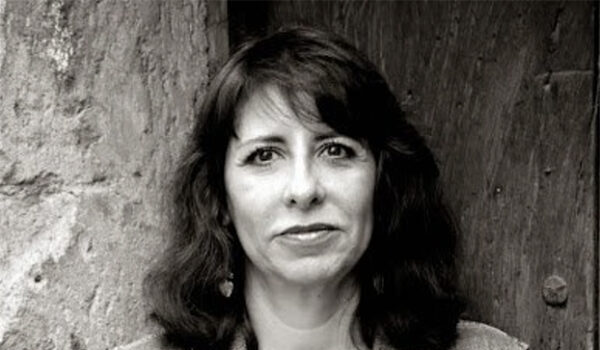
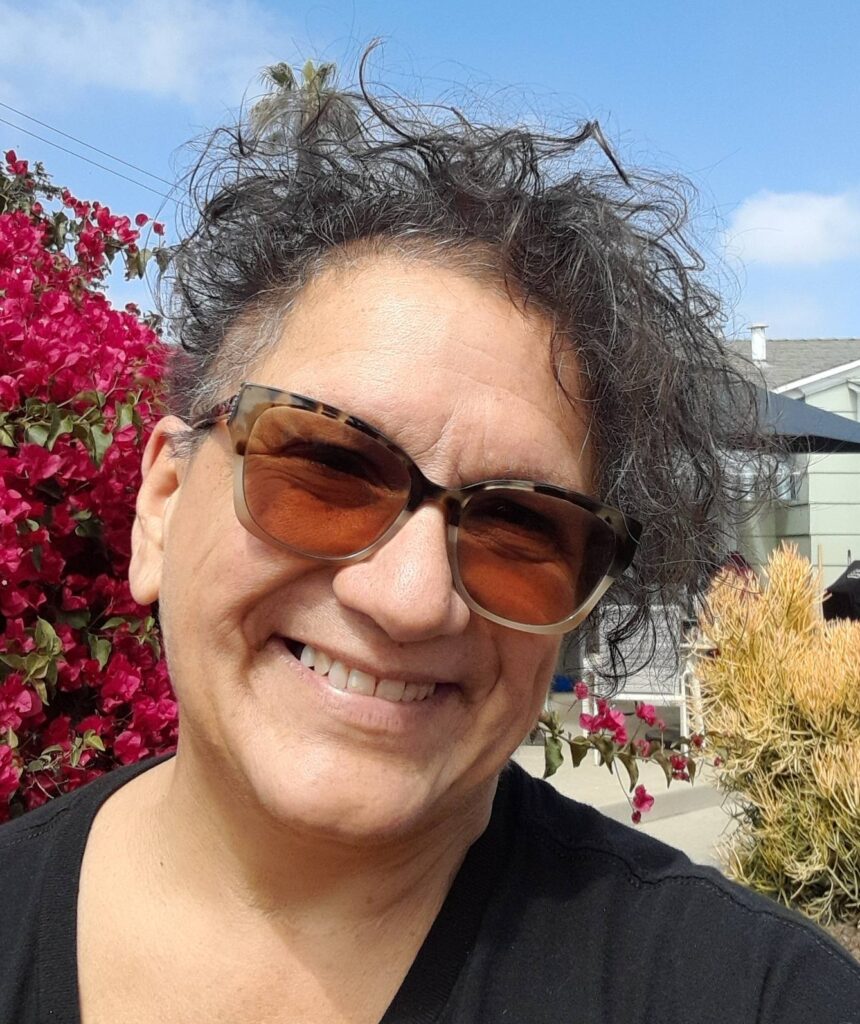 Suzette Partido Born in Chickasaw, Oklahoma, in 1961, [Name] is a writer and former community organizer whose eclectic path has spanned underground publishing, post-modern photography, and decades of social activism. She has worked as an AIDS chaplain, mental health advocate, and director of education for the National Alliance on Mental Illness. Now based in San Diego, she lives with her wife, two dogs, and a love for making coherent sentences—and a little good trouble.
©Literal Publishing. Queda prohibida la reproducción total o parcial de esta publicación. Toda forma de utilización no autorizada será perseguida con lo establecido en la ley federal del derecho de autor.
Las opiniones expresadas por nuestros colaboradores y columnistas son responsabilidad de sus autores y no reflejan necesariamente los puntos de vista de esta revista ni de sus editores, aunque sí refrendamos y respaldamos su derecho a expresarlas en toda su pluralidad. / Our contributors and columnists are solely responsible for the opinions expressed here, which do not necessarily reflect the point of view of this magazine or its editors. However, we do reaffirm and support their right to voice said opinions with full plurality.
Posted: January 6, 2026 at 8:29 pm