During these weeks of quiet, of silence made up of breeze or wind, the rumour of the River Esk down there, soft rain, and birdsong, I often think—inevitably—of the Scottish poet William Drummond, contemporary of Shakespeare, who lived in this place almost the life of a recluse, devoted to reading and writing. After all, this was his house.
I am writing this during the last week of my stay at Hawthornden Castle, an international residency for writers in Midlothian, Scotland, which is possible thanks to the foundation established by Drue Heinz (1915 – 2018, philanthropist, patron of literature and the arts, editor and, back in the 1950s, an actress). I am thinking of the long line of human connections that make the peace, development and welfare of others possible—a much more solid and lasting line, I’d like to think, than that which carries death and destruction, of which we are so painfully aware nowadays.
I can see from my desk the crowns of tall pine trees, birches, beech and I don’t know how many other species, some ancient, of the woods surrounding the castle which seem to stretch into infinitude, with full awareness of the generosity that we, the six authors gathered here during the month of September, are recipient. (This month, by chance, all the Fellows are women.) Having four weeks of quiet to devote ourselves to our craft, without having to worry about anything else, a rare privilege for most authors, surrounded by a scenery of extraordinary beauty, is the fruit of the remarkable generosity of the Hawthornden Foundation, and there is also great generosity in the exceptionally kind treatment we are subject to at the hands of the whole team, the exquisite food, the care for our comfort and wellness shown by Hamish Robinson, director of the Castle, and his intelligent, sensitive presence and sense of humour—not to mention his patience.
In such surroundings, and in such excellent conditions, I think it’s important to consider that generosity; to be aware of the expansion of mind and spirit that it makes possible. Foundations like this one, patrons of the arts such as Drue Heinz was, Hamish leading the running of the castle understand, on the one hand, the importance of the arts and literature and, on the other, how precious tranquillity, time and space are for the practice of a craft which is often arduous and devoid of these three basic elements, since society at large has never fully understood—and probably never will—that what writers and artists do matters.
Talking with the other authors at the residency, I can get an idea of the challenges they face, which, to a greater of lesser extent, we all share, regardless our nationality, race or the country where we live. We talk about our experience in a world which is ever more competitive, hostile to literature despite the stridency of a considerable proportion of the publishing industry, and, the way things stand now, frankly hostile to human existence. As days go by, in this nurturing silence, it becomes clearer to me that being here, following our somewhat monastic routine of silence, reading, writing and walks, is not about adding stars to our CV, or adding weight to the puerile load of the artist’s vanity. It is an opportunity not only to work on our craft, but to reflect on what that craft really means.
Being here, on top of this cliff surrounded by woods, half an hour from Edinburgh and yet so far from the world, is doubtless beneficial. I have looked at the news’ headlines barely once a week, without dwelling on them for more than a few minutes, because getting some distance like this is also vital, once in a while, in order to regain strength to face the world. Trump’s visit to the UK; the Unite the Kingdom rally against immigrants organised by the far-right activist Tommy Robinson and Elon Musk’s speech, the escalation of horror in Gaza and Ukraine feel rather distant from here, and yet I know they are not; I know that the turmoil and chaos of our horrific moment in history will be waiting for me on my return to London, and that this transitory retreat, this immersion in the deep silence made of wind, the flowing river and, at night, the owls’ hooting is salutary precisely because it allows us to touch in more depth the root of things, this strangeness of being human, in this world made of violence and beauty—both, in essence, incomprehensible. I trust that this silence will help us go back to the hubbub of the world with at least a bit more presence of mind, with the seed of some new form of wisdom.
And aren’t reflections of this sort, ultimately, the foundation of our work as writers, beyond any immediate historical juncture? I realise that I came here not only to write, but to wonder what it means to be a writer, in this world, at this time. In this stillness, where things simply are (the light, the stone the castle is made of, the buzzards in their flight), while we toil on our texts, I am acutely aware of the tension which inevitable affects every writer’s life, torn as we are between being and the mask, between the struggle for survival when our craft is incomprehensible for most of society, and the need to create a sincere work, in Pessoa’s sense of that word. I quote (from the English translation by Edwin Honig and Susan M. Brown of a selection of his work which I found in one of the castle’s libraries): ‘I call those things insincere . . . that contain no essential metaphysical idea, or let’s say where no notion of the seriousness and mystery of life passes like a wind’.
How to honour this imperative of literature, which is an imperative of life? How not to forget, surrounded as we are by the ever more meretricious laws of the publishing market? How do we find shelter from the noise and the inane vanity fair, and keep on writing, and survive? I gather that the battle lies between being a writer in an existential sense and being a merely “professional” writer. Not that professionalism is not important, of course. It is essential in our craft, as in any other, but what we must never forget, those of us who do this as a living, is that efficiency in writing is never the same as excellence, and even less transcendence.
Did Drummond take too far his distancing from the world, sheltered by the landscape that he loved and which was solace in his moments of greatest grief? I don’t know. The temptation must have been hard to resist, being the owner of the haven that Hawthornden Castle unquestionably is. Drummond knew well of the transience and vanity of human pursuits, and here, in this silence, he had the chance to ponder on the true worth of things. Seeing a body of rain gliding through the dense wall of trees rising high above the rock, like a ghost illumined by the afternoon’s bright sunshine beneath these ever-changing skies, must have been an effective antidote against, for instance, his renowned visitor Ben Jonson’s streams of gossip in 1618.
In any case, I am deeply grateful for the opportunity granted by the Hawthornden Foundation, in the thoughtful care of the whole team working at the castle and that of Hamish Robinson, its charming director, not only of coming here to write, but to ask ourselves this kind of questions.
***
Since we’re talking about the meaning of being a writer, of its vicissitudes and rewards, and of the need for society to acknowledge the worth of such a calling, I want to celebrate here that Mexican writer Ana García Bergua has been granted the Inés Arredondo Literature Award this September.
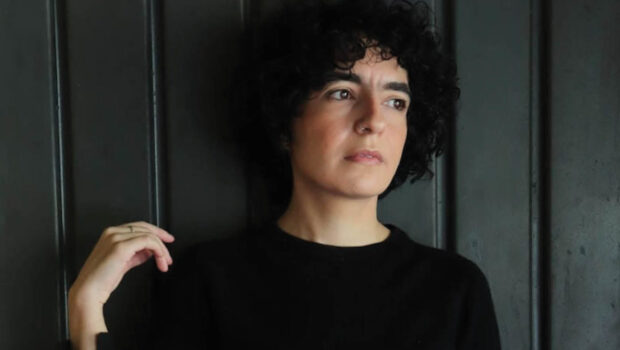
García Bergua, novelist, author of short stories, chronicle and other wonderful texts that resist classification, is paramount in Mexican contemporary letters. I was fortunate to meet her over 30 years ago, during one of the gatherings of Fellows of the Fondo Nacional para la Cultura y las Artes, when we were both still considered “young creators”, in the glorious port of Veracruz. Thus started a deep friendship, with a strong foundation on our literary vocation and our love for the work of several authors. Out of that Young Creators grant was also born Ana’s first novel: El umbral. Travels and Adventures, an extraordinary book which, in its admirable balance as it situates its characters between the realms of the fantastic and the everyday, in its beauty, imaginative richness, erudition and humour, without skirting the thorniest manifestations of human pain, was a firm basis for what would come later in her prolific career. That novel is now a classic in our literature.
Since then, Ana has led us in a journey through diverse settings not only in space, but in time, in her novels Rosas negras, Púrpura, Fuego 20, Isla de bobos, La bomba de San José, in her many collections of short stories, in her books of chronicle and what we perhaps may call vignettes such as Postales desde el puerto (a loving and accurate view on Veracruz) and Pie de página, and the delightful Waikikí, a novel written in collaboration with author Alfredo Núñez Lanz.
The irruption of alternate worlds in much of her work, in the form of either fantastic or (perhaps) supernatural elements, works as the counterpoint for the sharp and impeccable representation of the human condition in this bewildering world of us, where the mundane and the most complex metaphysical glimpses live side by side, inseparable. García Bergua is a meticulous and discerning observer, and nothing in our human condition escapes her. Her characters reveal to us what we are, or what we might too easily come to be, often through an irrepressible sense of humour, unique in Mexican literature nowadays. Joined to this humour, and to the author’s powerful imagination, the absurd reaches truly dazzling peaks. But Ana doesn’t mock her characters. Her narrative voice, it seems to me, is a subtle mix, rare in our literature, of perspicacity and innocence. The perspicacity shows human weakness just as it is, without allowing for any kind of concealment. The innocence, in the best and profoundest sense of the word, allows her to describe even the most preposterous actions of her characters with a sympathetic gaze, never passing judgment.
What I am trying to define here as innocence is, ultimately, a form of wisdom. Tough Ana’s work makes us laugh (indeed mercilessly), we cannot define her in any way as a comedy author. García Bergua knows of human pain, and behind the absurd scenes in which many of her characters are involved we often find a profound melancholy, wounds of all sorts, the fragility we all share. Her familiarity with pain as a narrator can be found, as I have said above, as far back as in El umbral, her first novel. In other of her works it is clearer and more direct, as in the heartrending Isla de bobos, but it is always hovering there, and we are very lucky to have among us a writer who can touch pain in depth whilst delivering books that it’s an utter joy to read.
Another important element in Ana’s work is the historic recreation of Mexico in past times, vivid and credible thanks to her penetrating skill as a historian and her attention to detail, nurtured by her experience as stage designer. In an email that I sent to her around a year ago, I told her: ‘You’re an indispensable chronicler not only of present-day Mexico (as, for instance, in your columns), but of past Mexico as well. Are you aware of that?’ To be the chronicler of a time we didn’t know is no mean feat, but in the hands of this author, where parallel worlds cross each other with such mastery and grace, we witness this miracle of sorts.
I can’t think of any other author more deserving of the 2025 Inés Arredondo Award. Ana García Bergua is a writer utterly devoted to her calling, constant, critical and industrious, and in her impeccably crafted work I read, going back to the beginning of these words, not only the professional writer that she undoubtedly is, but, much more importantly, what I here call the “existential” writer, because it is through literature that she ponders on the mystery of existence.
Let’s celebrate this award, which bears the name of another major Mexican author: Inés Arredondo; let us celebrate the recognition of a trajectory such as García Bergua’s in the silent and often arduous pursuit of the literary calling.
Photo credits: Pinterest

Adriana Díaz-Enciso es poeta, narradora y traductora. Ha publicado las novelas La sed, Puente del cielo, Odio y Ciudad doliente de Dios, inspirada en los Poemas proféticos de William Blake; los libros de relatos Cuentos de fantasmas y otras mentiras y Con tu corazón y otros cuentos, y seis libros de poesía. Su más reciente publicación, Flint (una elegía y diario de sueños, escrita en inglés) puede encontrarse aquí.
©Literal Publishing. Queda prohibida la reproducción total o parcial de esta publicación. Toda forma de utilización no autorizada será perseguida con lo establecido en la ley federal del derecho de autor.
Las opiniones expresadas por nuestros colaboradores y columnistas son responsabilidad de sus autores y no reflejan necesariamente los puntos de vista de esta revista ni de sus editores, aunque sí refrendamos y respaldamos su derecho a expresarlas en toda su pluralidad. / Our contributors and columnists are solely responsible for the opinions expressed here, which do not necessarily reflect the point of view of this magazine or its editors. However, we do reaffirm and support their right to voice said opinions with full plurality.
Durante estas semanas de quietud, de un silencio hecho de brisa o viento, del rumor del río Esk allá abajo, la suave lluvia, pájaros, pienso a menudo –inevitablemente– en el poeta escocés William Drummond, contemporáneo de Shakespeare, que aquí vivió una vida prácticamente de recluso, entregado a la lectura y la escritura. Después de todo, ésta era su casa.
Escribo esto durante la semana final de mi estancia en el Castillo de Hawthornden, residencia internacional para escritores en Midlothian, Escocia, posible gracias a la fundación establecida por Drue Heinz (1915 – 2018), filántropa, mecenas de la literatura y de las artes, editora y en su momento (en la década de 1950), actriz. Reflexiono sobre la larga línea de conexiones humanas que vuelven posible la paz, el desarrollo y el bienestar de otros –una línea, quiero pensar, mucho más sólida y duradera que aquélla que acarrea muerte y destrucción, y de la que somos tan dolorosamente conscientes hoy día.
Desde mi escritorio puedo ver las copas de altos pinos, abedules, hayas y no sé qué tantas otras especies de árboles, algunos antiquísimos, del bosque que rodea al castillo, y que se extienden, parecería, hasta el infinito, con una clara conciencia de la generosidad de que somos destinatarias las seis autoras reunidas aquí durante el mes de septiembre. (Este mes, por coincidencia, todas las becarias somos mujeres.) Contar con cuatro semanas de tranquilidad para dedicarnos a nuestro oficio sin tener que preocuparnos de nada más, tan raro privilegio para la mayoría de los autores, rodeadas de un escenario de extraordinaria belleza, es fruto de la notable generosidad de la Fundación Hawthornden, y son generosos también el trato excepcionalmente gentil de que somos objeto por parte de todo el equipo, la comida exquisita, el cuidado por nuestro bienestar, hasta en los detalles más mínimos, por parte del director del castillo, Hamish Robinson, y su presencia inteligente, sensible y cargada de humor—por no hablar de su paciencia.
En un entorno semejante, y en tan excelentes condiciones, me parece fundamental la consideración justamente de esa generosidad; de la expansión de espíritu y pensamiento que vuelve posible. Fundaciones como ésta, mecenas de las artes como lo fue Drue Heinz, Hamish al frente de las operaciones del castillo, entienden, por un lado, la importancia de las artes y la literatura y, por el otro, cuán caros son la tranquilidad, el tiempo y el espacio para ejercer un oficio que es, a menudo, arduo y desprovisto de estos tres elementos básicos, dado que la sociedad en general nunca ha entendido cabalmente, y probablemente nunca lo haga, por qué lo que hacemos artistas y escritores importa.
Hablando con las otras escritoras en la residencia, puedo darme una idea de los retos que enfrentan y que, en mayor o menor medida, compartimos todas, independientemente de nuestra nacionalidad, raza o el país en que vivimos. Hablamos de nuestras experiencias en un mundo que es cada vez más competitivo, hostil a la literatura pese a la estridencia de buena parte de la industria editorial, y a como están las cosas, francamente hostil a la existencia humana. A medida que pasan los días, en este provechoso silencio, me queda cada vez más claro que estar aquí, siguiendo nuestra rutina de alguna forma monacal de silencio, lectura, escritura y caminatas, no se trata de agregar estrellas a nuestro currículum, de añadir peso a la carga infantil de la vanidad del artista, sino de una oportunidad no nada más de ejercer nuestro oficio, sino de reflexionar sobre lo que éste realmente significa.
Es sin duda inmenso el beneficio de estar aquí, arriba de este peñasco rodeado de bosque, a media hora de Edimburgo y, sin embargo, tan lejos del mundo. Yo apenas me he asomado a leer los titulares de las noticias una vez por semana, sin dedicarles más de unos minutos, porque este tomar distancia es también un ejercicio imprescindible, de vez en cuando, para recobrar la fuerza de enfrentar el mundo. La visita de Trump al Reino Unido; la marcha Unite the Kingdom, organizada por el activista de extrema derecha Tommy Robinson en contra de los inmigrantes y el discurso durante la misma de Elon Musk, el recrudecimiento del horror en Gaza y en Ucrania, desde acá parecen muy lejanos, y sin embargo sé que no lo son; que el tumulto y el caos de nuestro horrífico momento en la historia me estarán esperando a mi regreso a Londres, y que este retiro transitorio, esta inmersión en el silencio hecho de viento, del río que corre y, en las noches, el ulular de los búhos es benéfica justo porque nos permite tocar con más hondura las raíces de las cosas, esta extrañeza de ser humanos, en este mundo hecho de violencia y belleza, ambas, en esencia, incomprensibles. Confío en que este silencio nos ayudará a volver al tráfago del mundo con aunque sea un poco más de presencia de ánimo, con la semilla de alguna forma nueva de sabiduría.
¿Y no son reflexiones de esta índole, en última instancia, el fundamento de la labor de escritores y escritoras, más allá de cualquier coyuntura histórica inmediata? Me doy cuenta de que vine aquí no solamente a escribir, sino a preguntarme qué significa ser escritora, en este mundo, en estos tiempos. En esta quietud, donde las cosas están y son, simplemente (la luz, la piedra del castillo, los aguiluchos en su vuelo), mientras nos afanamos en nuestros textos, tengo una muy clara conciencia de la tensión que inevitablemente afecta la vida de todo escritor, divididos como estamos entre el ser y la máscara; entre la lucha por la supervivencia cuando nuestro oficio es incomprensible para la mayor parte de la sociedad, y la necesidad de crear una obra sincera, en el sentido que Pessoa da a la palabra. Cito (de la traducción al inglés de una selección de su obra que encontré en una de las bibliotecas del castillo; traduzco yo al español): “llamo insinceras a aquéllas cosas . . . que no contienen ninguna idea metafísica esencial, o, digamos, en las que no pasa como un viento noción alguna de la seriedad y el misterio de la vida”.
¿Cómo honrar esta exigencia de la literatura, que es exigencia de vida? ¿Cómo no olvidarla, rodeados como estamos de las leyes cada vez más degradantes del mercado editorial? ¿Cómo resguardarnos del barullo y de la inane feria de vanidades, seguir escribiendo, y sobrevivir? Supongo que podemos decir que la batalla está entre ser un escritor o escritora en un sentido existencial, y ser meramente un escritor “profesional”. No que el profesionalismo no importe, claro está. Es esencial en nuestro oficio, como en cualquier otro, pero lo que no debemos olvidar nunca quienes nos dedicamos a esto es que la eficiencia en la escritura no es, nunca, lo mismo que la excelencia, y menos aún la trascendencia.
¿Llevó Drummond demasiado lejos su distanciamiento del mundo, acogido por el paisaje que amaba y que fue solaz en sus momentos de mayor dolor? No lo sé. La tentación debió haber sido difícil de vencer, siendo el dueño del refugio indiscutible que es el Castillo de Hawthornden. Drummond sabía bien cuán pasajeros y vanos son los humanos afanes, y aquí, en este silencio, tuvo la oportunidad de ponderar el valor verdadero de las cosas. Ver deslizarse un cuerpo de lluvia a través de la densa muralla de árboles alzándose altos sobre la roca, como un fantasma iluminado por el sol brillante de la tarde bajo estos cielos siempre cambiantes debe haber sido un eficaz antídoto contra, por ejemplo, el torrente del chismorreo literario de su célebre visitante, Ben Jonson, en 1618.
Sea como sea, yo agradezco profundamente la oportunidad brindada por la Fundación Hawthornden, bajo el atento cuidado de todo el equipo trabajando en el castillo y de Hamish Robinson, su entrañable director, no solamente de venir aquí a escribir, sino a hacernos este tipo de preguntas.
***
Ya que estamos hablando del significado del oficio de escritora, de sus vicisitudes y sus recompensas, y de la necesidad de que la sociedad reconozca el valor de dicho oficio, quiero celebrar aquí el que la escritora mexicana Ana García Bergua haya sido galardonada con el Premio Bellas Artes de Literatura Inés Arredondo, que le fue otorgado a inicios de septiembre.
García Bergua, cuentista, novelista, y autora de crónicas y otros textos maravillosos reacios a la definición, es una autora imprescindible de la literatura mexicana contemporánea. Tuve la suerte de conocerla hace ya más de 30 años, durante uno de los encuentros de becarios del Fondo Nacional para la Cultura y las Artes, cuando las dos éramos aún consideradas “jóvenes creadoras”, en el glorioso puerto de Veracruz. De ahí nació una profunda amistad apuntalada siempre por nuestra vocación por la literatura y el amor por la obra de diversos autores. De aquélla beca para Jóvenes Creadores del FONCA nació también la primera novela de Ana: El umbral. Travels and Adventures, un libro extraordinario que, en su admirable equilibrio al situar a sus personajes entre el reino de lo fantástico y lo cotidiano, su belleza, su riqueza imaginativa, erudición y humor, sin eludir los más escabrosos riscos del dolor humano, fue un firme cimiento para lo que vendría después en su prolífica carrera. La novela es ahora un clásico de nuestra literatura.
Desde entonces, Ana nos ha llevado a un viaje por distintos escenarios no solo espaciales, sino en el tiempo, en las novelas Rosas negras, Púrpura, Fuego 20, Isla de bobos, La bomba de San José, en sus muchas colecciones de cuentos, en sus libros de crónica y lo que quizá podríamos llamar viñetas o estampas como Postales desde el puerto (una mirada amorosa y certera a Veracruz) y Pie de página, y en la deliciosa Waikikí, novela escrita a cuatro manos con el autor Alfredo Núñez Lanz.
La irrupción de universos alternos en buena parte de su obra en la forma de elementos fantásticos o (quizá) sobrenaturales es contrapunto para la representación nítida e impecable de la condición humana en esta confusa tierra nuestra, donde conviven, inseparables, lo mundano y los más complejos vislumbres metafísicos. García Bergua es una observadora meticulosa y sagaz, y nada de esa condición humana nuestra escapa a su mirada. Sus personajes nos revelan lo que somos, o lo que podríamos llegar a ser en un descuido, a menudo mediante un irrefrenable sentido del humor, único en las letras mexicanas hoy día. Junto a este humor y la poderosa facultad imaginativa de la autora, el absurdo alcanza cumbres verdaderamente gloriosas. Pero Ana no se burla de sus personajes. Su voz como narradora, me parece, es una mezcla sutil, rara en nuestras letras, de perspicacia e inocencia. La perspicacia muestra la debilidad humana tal cual es, sin admitir ningún tipo de encubrimiento. La inocencia, en el mejor y más profundo sentido de la palabra, le permite describir hasta las acciones (y yerros) más descabellados de sus personajes con una mirada compasiva, sin juzgarlos nunca.
Eso que intento definir aquí como inocencia es, a la larga, una forma de sabiduría. Aunque la obra de Ana nos hace reír —a veces, ahí sí, sin misericordia— no podemos en modo alguno definirla como una autora cómica. García Bergua sabe del dolor humano, y tras las escenas absurdas protagonizadas por muchos de sus personajes encontramos a menudo una profunda melancolía, heridas de toda índole, la fragilidad que todos compartimos. Su familiaridad como narradora con el dolor la encontramos desde El umbral, su primera novela, como ya hemos dicho. En algunas obras éste es más claro y directo, como en la desgarradora Isla de bobos, pero siempre está ahí, rondando, y somos muy afortunados de tener a una escritora que sabe tocar el dolor con hondura a la vez que nos entrega una obra cuya lectura es un gozo absoluto.
Otro elemento importante en los libros de Ana es la recreación histórica de México en épocas pasadas, vívida y verosímil gracias a su penetrante oficio de historiadora y la atención que pone en cada detalle, nutrida de su experiencia como escenógrafa. En un email que le envié hará cosa de un año, le decía: “Eres una cronista indispensable del México no nomás presente, en tus columnas, por ejemplo, sino del México pasado también. ¿Te has dado cuenta de eso?” Ser cronista de un tiempo que no conocimos no es proeza fácil, pero en manos de esta autora en que se cruzan mundos paralelos con tanta pericia y gracia, asistimos a esta especie de milagro.
No puedo pensar en otra autora más merecedora del Premio Inés Arredondo 2025. Ana García Bergua es una escritora devota por completo a su oficio, constante, crítica y laboriosa, y en su obra depurada y de impecable factura leo, para volver al inicio de estas líneas, no solamente a la escritora profesional que sin duda es, sino, mucho más importante, a la escritora que aquí llamo “existencial”, porque es a través de la escritura que indaga en el misterio de la existencia.
Hay que celebrar este premio, que lleva además el nombre de otra autora indispensable en las letras mexicanas: Inés Arredondo; celebrar el reconocimiento a una trayectoria como la de García Bergua en el oficio silencioso y a menudo arduo que es el de la literatura.
Photo credits: Pinterest
Adriana Díaz-Enciso es poeta, narradora y traductora. Ha publicado las novelas La sed, Puente del cielo, Odio y Ciudad doliente de Dios, inspirada en los Poemas proféticos de William Blake; los libros de relatos Cuentos de fantasmas y otras mentiras y Con tu corazón y otros cuentos, y seis libros de poesía. Su más reciente publicación, Flint (una elegía y diario de sueños, escrita en inglés) puede encontrarse aquí.
©Literal Publishing. Queda prohibida la reproducción total o parcial de esta publicación. Toda forma de utilización no autorizada será perseguida con lo establecido en la ley federal del derecho de autor.
Las opiniones expresadas por nuestros colaboradores y columnistas son responsabilidad de sus autores y no reflejan necesariamente los puntos de vista de esta revista ni de sus editores, aunque sí refrendamos y respaldamos su derecho a expresarlas en toda su pluralidad. / Our contributors and columnists are solely responsible for the opinions expressed here, which do not necessarily reflect the point of view of this magazine or its editors. However, we do reaffirm and support their right to voice said opinions with full plurality.